
360° service support

Design services
Our offerings include unique worm assembly designs, customized to fit your specific needs and maximize your pressing results. Assistance in the design of your pressing equipment and with the optimization of press and process performance.
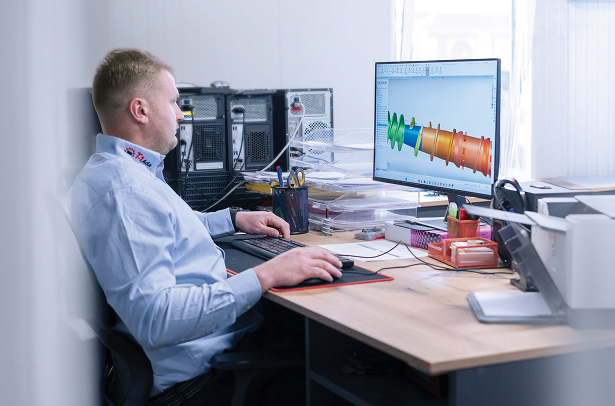
Technical support
Our on-site service—including full disassembly and assembly — combined with our high-quality spare parts, provides a secure foundation for continuous, 24/7 production. Furthermore, our consultants assist in process optimization, supporting your long-term growth through on-site advisory and specialized training.
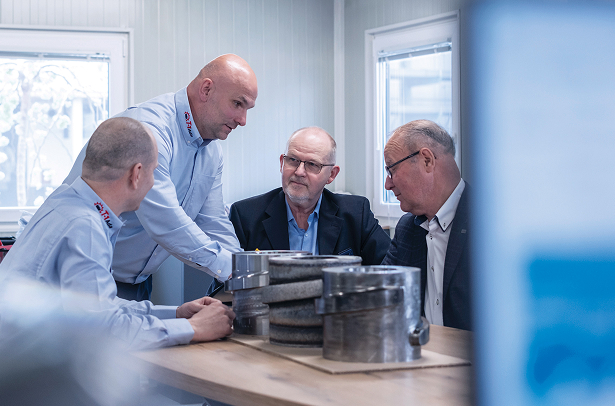
Maintenance services
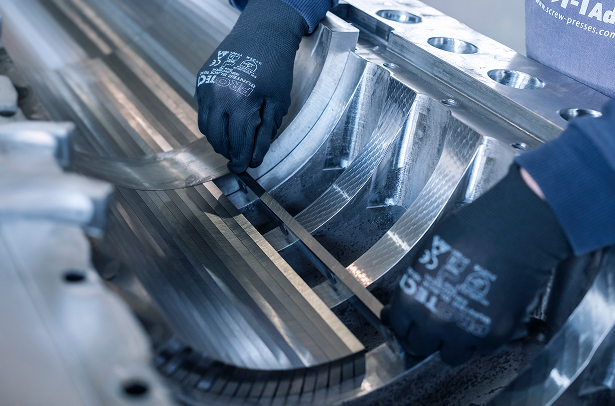
This process includes the screw press and cage refurbishing & restoration tasks. Our comprehensive rebuilding process restores equipment to OEM-equivalent standards.
These steps are:
- Cleaning the screw press (degreasing), refurbishing the frame
- Full replacement of all wear parts on the shaft and within the cage (feeding screws, pressing screws, rings, cage bars, clamping bars, scrapers), including a new main shaft.
- Bearing Replacement: Installation of high-quality, new bearings throughout the entire assembly.
- Cage Restoration: Precision welding and milling of the existing cage, or replacement with a new steel casting if structural integrity requires it.
- Finishing & Protection: Industrial-grade painting of the entire press and installation of new stainless steel covers for enhanced corrosion resistance.
Frequently Asked Questions: Services & Maintenance
Design & Optimization
Can you customize press components for my specific crop or oilseed?
Yes. We offer unique worm assembly designs that are customized to your specific operational needs. Our goal is to maximize your pressing results by tailoring the equipment geometry to the specific characteristics of your raw materials.
Does T-1 Ada assist with process performance, or just part manufacturing?
We do both. Our engineering team provides full assistance in the design of your pressing equipment and offers hands-on support to optimize your overall process performance, ensuring your mill or rendering facility operates at peak efficiency.
Technical Support & On-Site Service
Do you provide on-site installation and maintenance?
Absolutely. We provide comprehensive on-site services, including the full disassembly and assembly of your machinery. This hands-on support is designed to provide a secure foundation for continuous, 24/7 production.
What kind of long-term support do you offer?
Beyond mechanical repairs, our consultants offer on-site advisory services and specialized training for your staff. We focus on long-term growth by helping you refine your processes and troubleshoot operational issues in real time.
Refurbishment & Restoration
What is included in your "OEM-equivalent" rebuilding process?
Our comprehensive restoration process is designed to return your equipment to original performance standards. This includes:
- Deep Cleaning: Full degreasing of the screw press and frame refurbishment.
- Total Wear Part Replacement: New feeding screws, pressing screws, rings, cage bars, clamping bars, and scrapers.
- Shaft & Bearings: Installation of a brand-new main shaft and high-quality bearings throughout the assembly.
- Structural Integrity: Precision welding and milling of the cage, or a complete replacement with new steel casting if necessary.
- Protection: Industrial-grade painting and the installation of new stainless steel covers for superior corrosion resistance.
When should I consider a full cage restoration versus a simple part replacement?
During our inspection, we evaluate the structural integrity of your equipment. If the cage shows significant wear that affects precision, we perform precision welding and milling. If the structural integrity is compromised, we recommend a full replacement with a new steel casting to ensure safety and performance.
How do your maintenance services impact my bottom line?
By restoring equipment to OEM-equivalent standards and using high-quality components, we reduce the frequency of breakdowns and extend the time between service intervals. This results in lower long-term maintenance costs and prevents the yield loss associated with worn-out machinery.